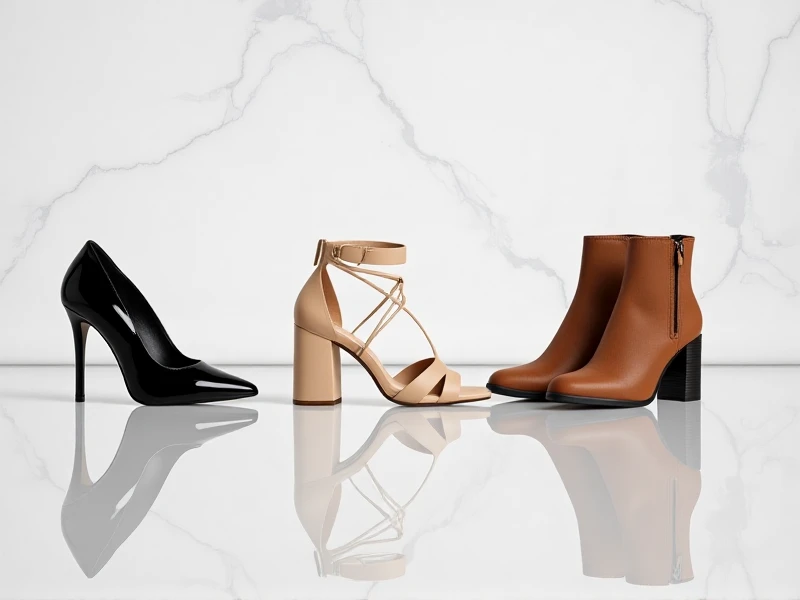
Walking Tall: The Art and Science of Wearing High Heels Comfortably
High heels. The very phrase evokes images of elegance, power, and undeniable style. They elongate the leg, refine posture, and add a touch of sophistication to any outfit. However, the quest for this glamorous look can often come with a price: aching feet, sore backs, and the dreaded toe pinch. But what if you could experience the allure of high heels without the discomfort? The secret lies in choosing wisely and wearing them smartly.
Finding the High Heel that truly fits is paramount. Never compromise on size for style. Your feet naturally swell throughout the day, so late afternoon is often an ideal time to shop. Pay close attention to width – feet come in various shapes, and a too-narrow toe box is a primary source of pain. If you're between sizes, consider sizing up and using an insert for a snug, secure fit.
The silhouette of the High Heel makes a significant difference. For most people, thicker heels (like blocks or wedges) offer superior stability and distribute weight more evenly than stilettos. This translates to less strain on the balls of the feet. A platform sole under the front can also drastically reduce the pitch your foot is at, making towering heights feel surprisingly manageable. Look for designs where the platform effectively minimizes the incline.
Material matters as much as form. Soft, supple leathers or structured fabrics often mould to the foot better than rigid synthetics, reducing friction points that cause blisters. Quality craftsmanship ensures durability and better support for your arches. Investing in well-made High Heels is an investment in your comfort.
Don't underestimate the power of preparation. Applying a specialised blister prevention stick or gel pads to known pressure points before slipping on your High Heels creates an essential barrier. Carrying foldable ballet flats is a lifesaver for transitions or when comfort needs immediate prioritisation.
Listen to your body. Start your High Heel journey with lower heights and gradually build up tolerance. Alternate shoe styles throughout the week to avoid repetitive strain. If discomfort consistently arises, consider consulting a specialist or podiatrist; foot health is crucial. Orthopedic-approved cushioned insoles designed for heels can add significant comfort.
Ultimately, the most confident walk comes from feeling good. By focusing on fit, choosing supportive styles like wedges or platforms, opting for quality materials, and prioritizing foot care, you unlock the true potential of high heels. They become a tool for effortless style and confidence, not an instrument of pain. Embrace the elevation and stride comfortably into your next event!